
Over-the-Air Vehicle Updates Explained: How Software Is Changing Car Ownership
View Gallery
2 Photos
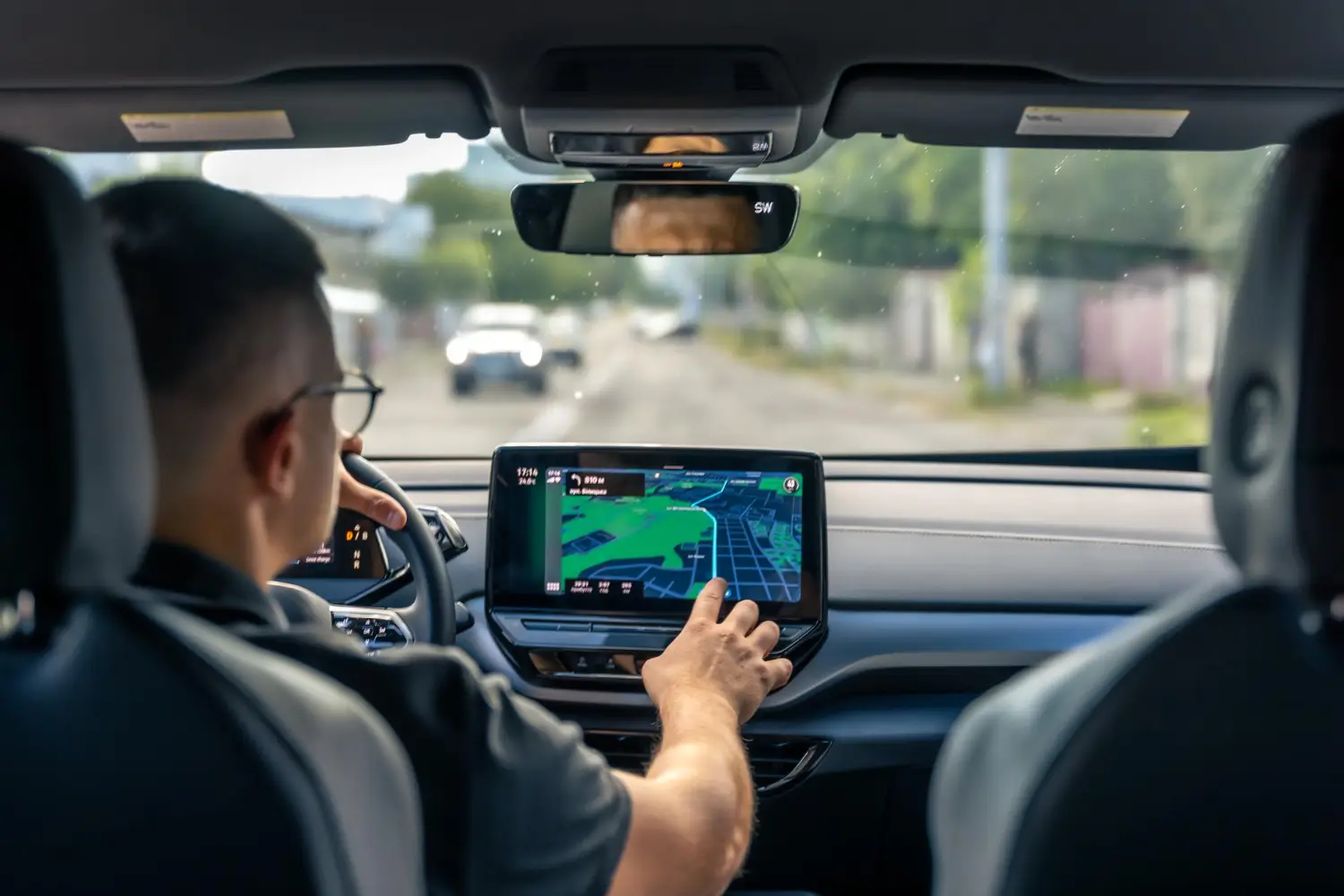
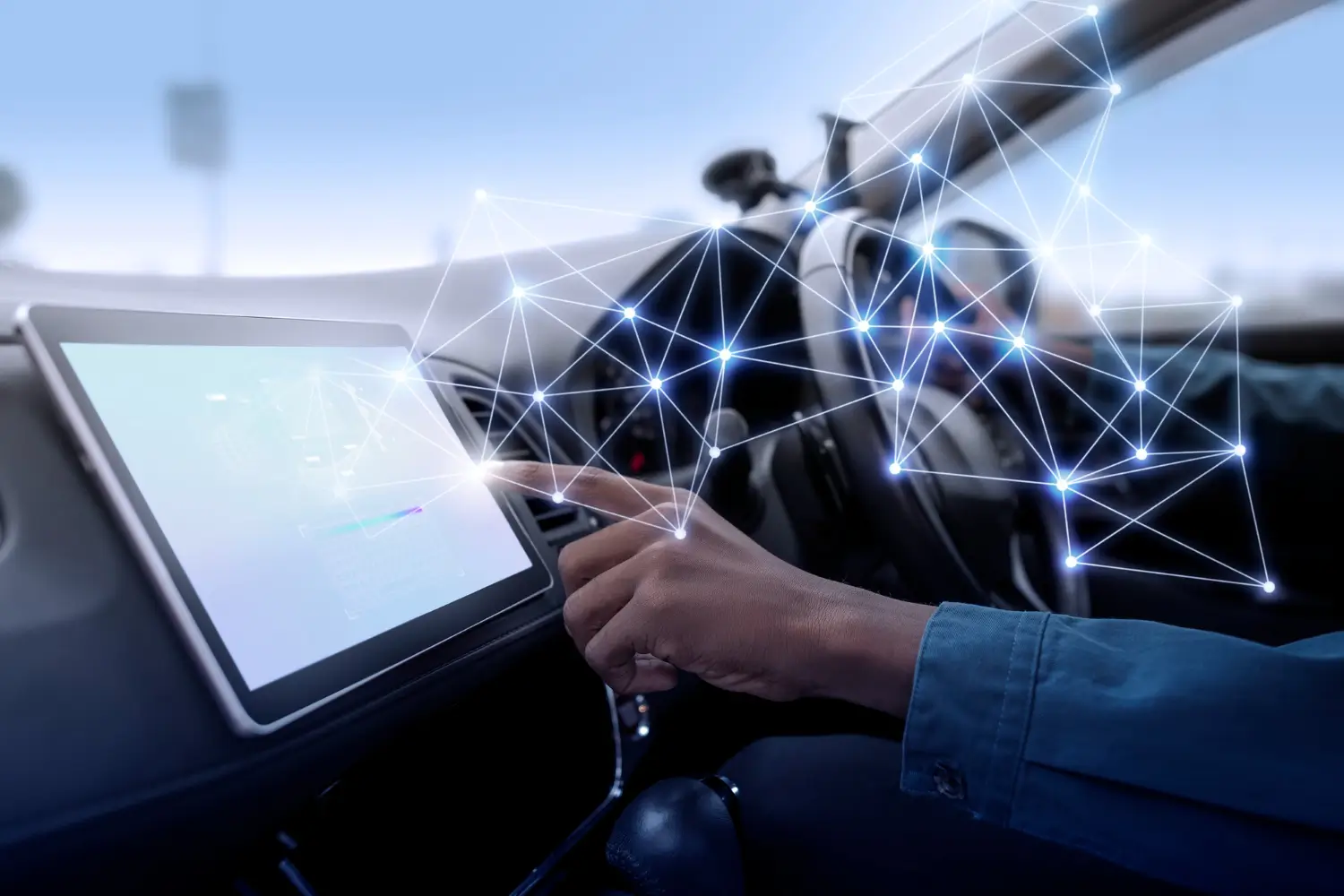
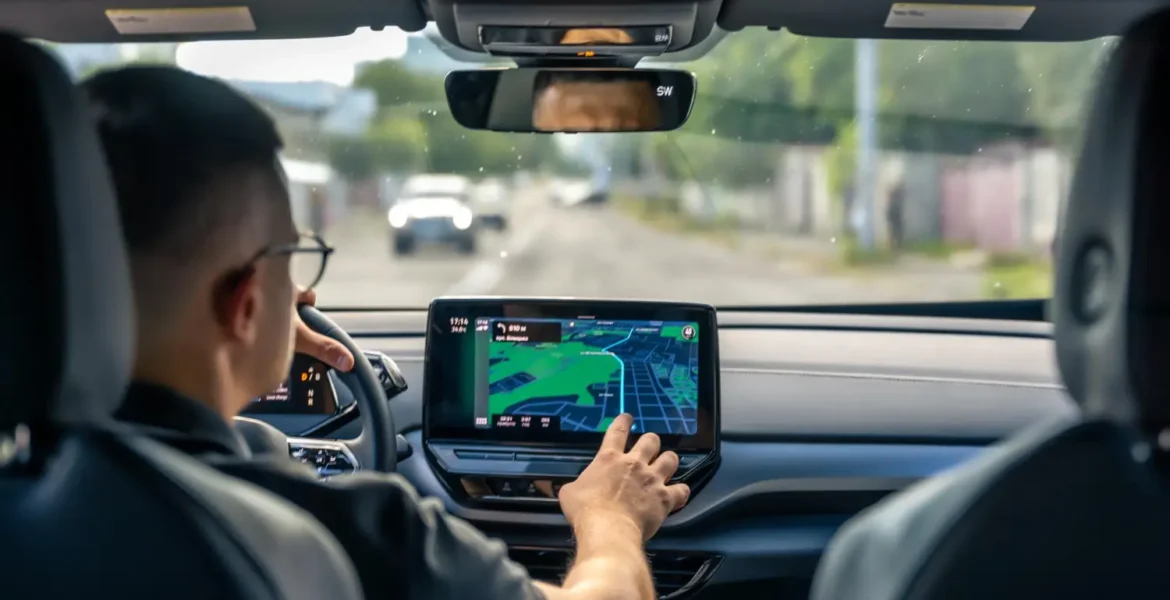
The concept of over-the-air vehicle updates has evolved from an exclusive feature to an essential component of the latest and greatest in auto tech. More and more manufacturers are using this method for software updates and performance improvements. It’s no longer seen as a car that’s been completed when you take it home. It’s seen as something that continues to evolve and improve over time.
This movement is changing the way you experience your car.
What Over-the-Air Vehicle Updates Are
Over-the-air vehicle updates allow automakers to deploy software changes directly to cars via wireless connectivity. These updates are delivered via a cellular network or Wi-Fi, based on the configuration of the vehicle.
The types of updates that are delivered include infotainment, navigation, driver assist, batteries, and internal vehicle controls. In many cases, these updates are performed when the vehicle is parked.
Unlike a typical recall or service procedure, vehicle updates delivered over the air don’t require a technician to physically interact with the vehicle.
Why Automakers Are Investing Heavily in OTA Technology
The process of providing software updates via dealerships is not efficient. It requires appointments, hours of work, and customer cooperation. It is not an efficient process for manufacturers that have large numbers of vehicles. It delays and increases the cost of providing updates for the vehicle fleet.
Over-the-air updates solve the problem. It allows for one software update to be sent to thousands of vehicles. It decreases the cost of recalls and increases the speed of responses to issues that are identified. It provides manufacturers with information regarding how the vehicle is performing in the real world. It provides valuable feedback that can be used for better software updates and vehicle designs.
How OTA Updates Improve the Driver Experience
From the driver’s seat, the biggest perk is how convenient it is. There’s no need to drop by a dealership to get a slew of software fixes.
Over-the-air updates also improve reliability. Bugs and unstable performance can be fixed in no time, and sometimes you can enjoy improved performance and efficiency with no effort on your part.
The whole process has an endearing quality, as if the car is being properly taken care of, even after you bought it.
Adding Features After Purchase
However, one of the most obvious impacts of over-the-air updates is the ability for cars to be improved by adding new features even after they are already on the road.
In the context of electric vehicles, this is especially significant. This is because over-the-air updates have the power to improve the way the battery is used, the way charging is handled, and the way the range is estimated.
In other words, this is all about separating the hardware and software. While the actual vehicle remains the same, the features are improved over time.
Reliability and Update Failures
OTA updates have many benefits, but they also introduce new risks. Cars are complex systems, and a bug in the software can cause serious problems.
A failed update could potentially turn off critical systems or make the car behave erratically. To protect against this, manufacturers have built-in protection mechanisms such as backup software and recovery modes.
Before the update is released, it is tested rigorously to ensure that it works well on different models and in different locations. Sometimes, despite the best efforts, bugs can still make it into the software.
Cybersecurity and Data Protection
The OTA updates have raised serious security issues, and the vehicle needs to ensure that the updates are coming from trusted sources and have not been compromised in any way.
To ensure the update integrity, encryption and authentication methods are used. The vehicle checks the digital signature before it installs the updates.
As vehicles use data, the OTA system needs to ensure the privacy of the user as well. The location and other data require secure handling.
As vehicles are becoming more and more connected, the OTA system is part of the cybersecurity ecosystem.
Ownership, Control, and Transparency
The issue of updates raises questions of ownership. Drivers may wonder what it means for a manufacturer to have the ability to modify the vehicle’s behavior. Some updates may add value to the vehicle. Some may remove or modify features, or even introduce subscription services. This may cause inconvenience for the driver. It is essential to be transparent. Drivers may wish to know what an update does, why it is required, and whether it is optional.
Legal and Regulatory Oversight
Regulatory bodies are now more focused on over-the-air updates, especially when it comes to those that impact safety-related features. Even minor adjustments related to braking, steering, or emissions will require proper documentation or approval.
The challenge that manufacturers are currently facing is ensuring that they are compliant with a number of regulations, which is a complex issue when it comes to updates.
There are a number of regulations that are likely to emerge as a result of increased use of over-the-air updates, which will try to balance innovation, consumer rights, and safety.
How OTA Updates Are Redefining Car Ownership
Over-the-air updates are revolutionizing how drivers interact with their cars and manufacturers. The concept of ownership is no longer static, as cars continually change long after purchase.
Modern cars resemble a software platform, not a physical device. Cars aren’t just cars anymore; updates, enhancements, and modifications are expected. Of course, this provides numerous advantages, including ease and constant improvement. However, this also calls for trust, openness, and security.
As software-infused design becomes the new standard in the automotive world, over-the-air updates will remain central to how drivers interact with, own, and view their cars.